JOB OPENING: Bioinformatics analyst of next-generation sequence data
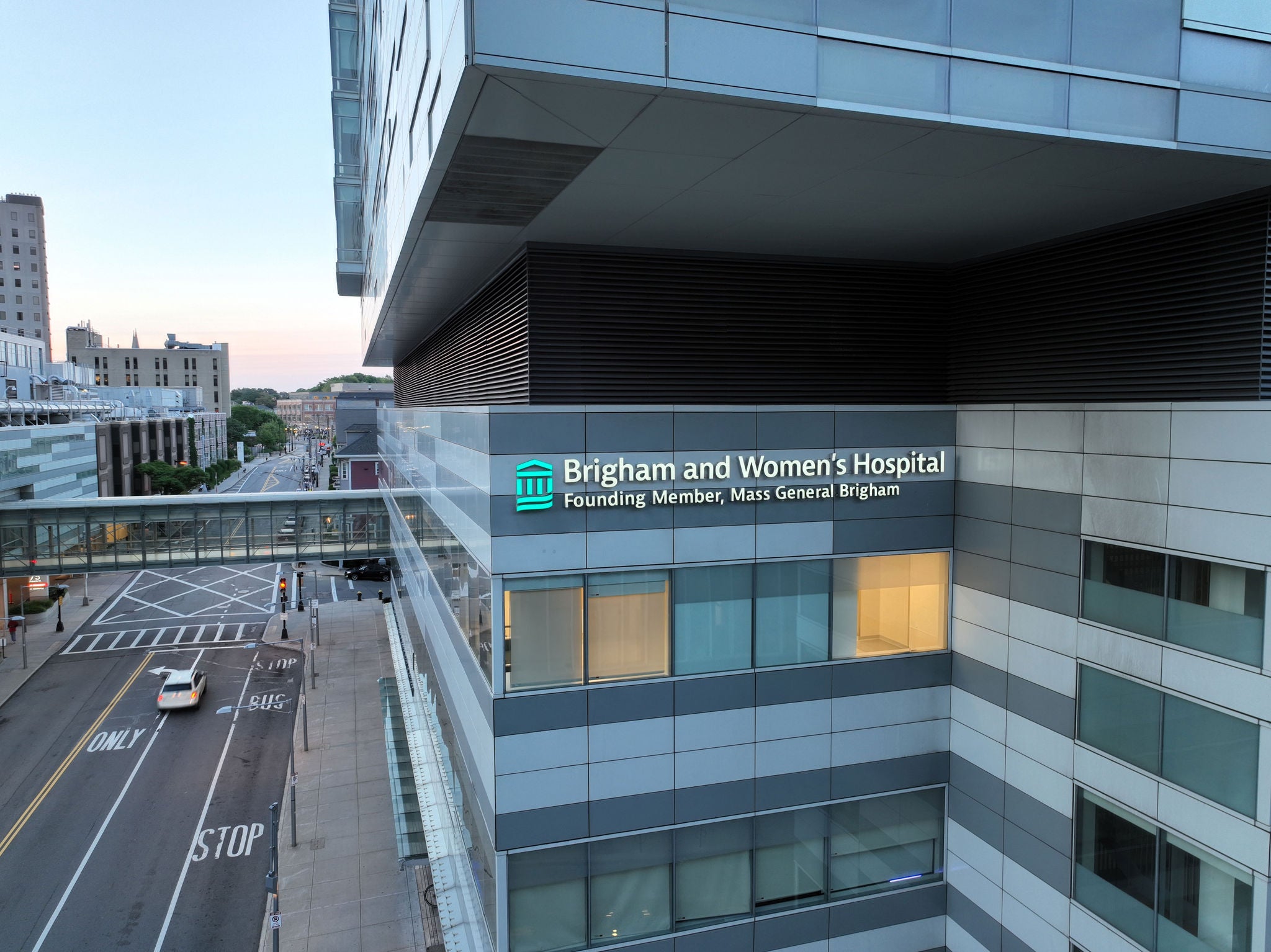
A full-time position as a bioinformatics analyst is available in the Plenge Lab at Brigham and Women’s Hospital, Harvard Medical School. The position entails managing and analyzing large-scale sequence datasets generated by next-generation sequencing technology obtained to investigate the genetic basis of autoimmune disease. The person hired for this position will work closely with a team of scientists, including Dr. Plenge and Dr. Paul de Bakker, a faculty member at Brigham and Women’s Hospital (BWH), Harvard Medical School. Both Drs. Plenge and de Bakker have a strong background in statistical genetics, and Dr. de Bakker has experience managing a group of bioinformatics specialists at BWH and the Broad Institute.
The focus of the Plenge Lab is to translate genetic discoveries to care of patients with common diseases, including autoimmune diseases such as rheumatoid arthritis (RA). This ambitious goal requires a multidisciplinary team of motivated individuals willing to work together to address critical scientific questions. Together with close collaborators, the Plenge Lab has identified >20 gene variants that contribute to risk of RA. The goal of this project is to perform deep re-sequencing of these RA risk genes in patients with RA to search for independent rare variants that also influence risk of RA. These studies are being done in close collaboration with investigators at Harvard Medical School and the Broad Institute. The position offers a stimulating, academic environment, and the opportunity to work in a multidisciplinary group of researchers at Harvard Medical School and the Broad Institute. This experience will provide an excellent opportunity to be involved in cutting-edge human genetics research.
Tasks required
(1) Manage and organize large sequence data sets: requires ability to format and manipulate the content of large genetic datasets using perl scripts or similar scripting languages.
(2) Use of established software to filter, analyze and process next-generation sequence data: requires the ability to run jobs on cluster servers, use basic Unix commands or similar methods to extract data from large genetic datasets and to map sequences to the human genome.
(3) Use genotype calling algorithms to identify genetic variants from next-generation sequence data: requires ability to use perl scripts and basic Unix commands (or similar tools) to identify which DNA base pairs are variant in next-generation sequencing data.
(4) Develop, implement, and operate statistical tools to analyze next-generation sequence data.
(5) Other duties, as the project develops
Qualifications:
- Experience in a scripting language (e.g., perl, python)
- BSc in compsci, stats/math, physics or related field
- 3 years experience / exposure to Unix/Linux
- Must have programming experience more than 2 years
- Experience working in a biomedical research setting preferred
- Basic understanding of statistics is preferred
Skills:
- Ability to work as part of a multidisciplinary team
- Interest in next-generation sequencing for medical traits
- One year of experience with a scripting language (e.g., perl, python)
- Competency with a statistical or mathematical language (e.g., R, MatLab)
- Experience with advanced object oriented languages (C++ or Java) is helpful but not required
- Experience working in a biomedical research setting and understanding of statistics is preferred
- Must be comfortable dealing with large data files
As the person’s skills develop, additional responsibility will include management and analysis of sequence data and primary statistical analysis of genetic data.
Salary negotiable based upon work experience.
The Plenge Lab links:
http://www.broadinstitute.org/scienc.../robert-plenge